Gear couplings are one of the most widely used mechanical components in heavy-duty industrial applications. They are designed to transmit high torque between two shafts while allowing limited misalignment. A gear coupling manufacturer plays an important role in producing strong, durable, and precision-engineered couplings that ensure smooth and efficient power transmission in demanding environments such as steel plants, cement industries, mining, and power generation units.
What is a Gear Coupling?
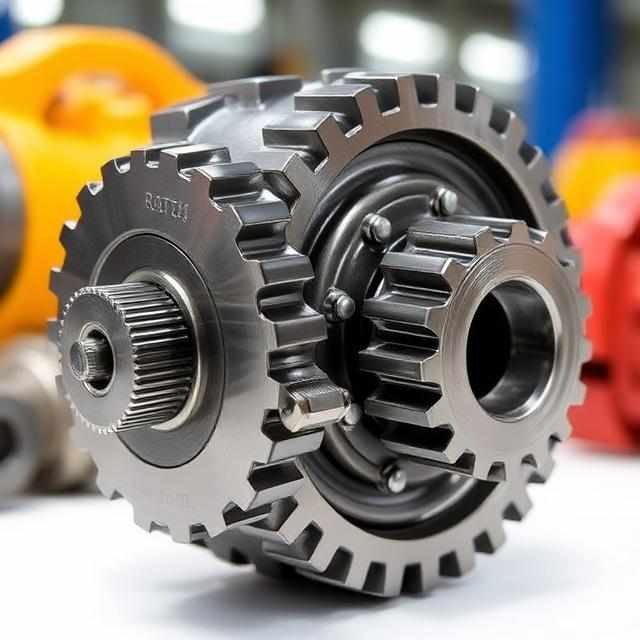
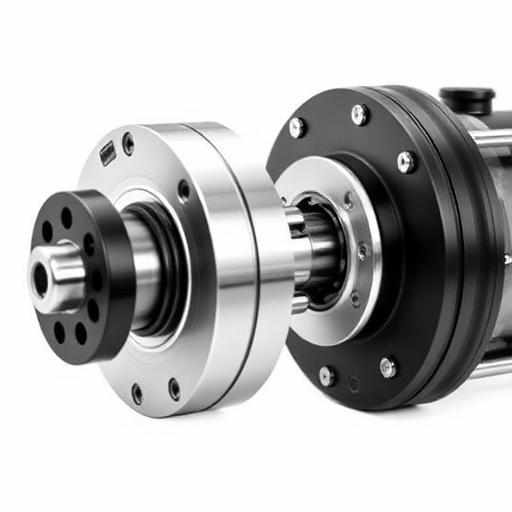
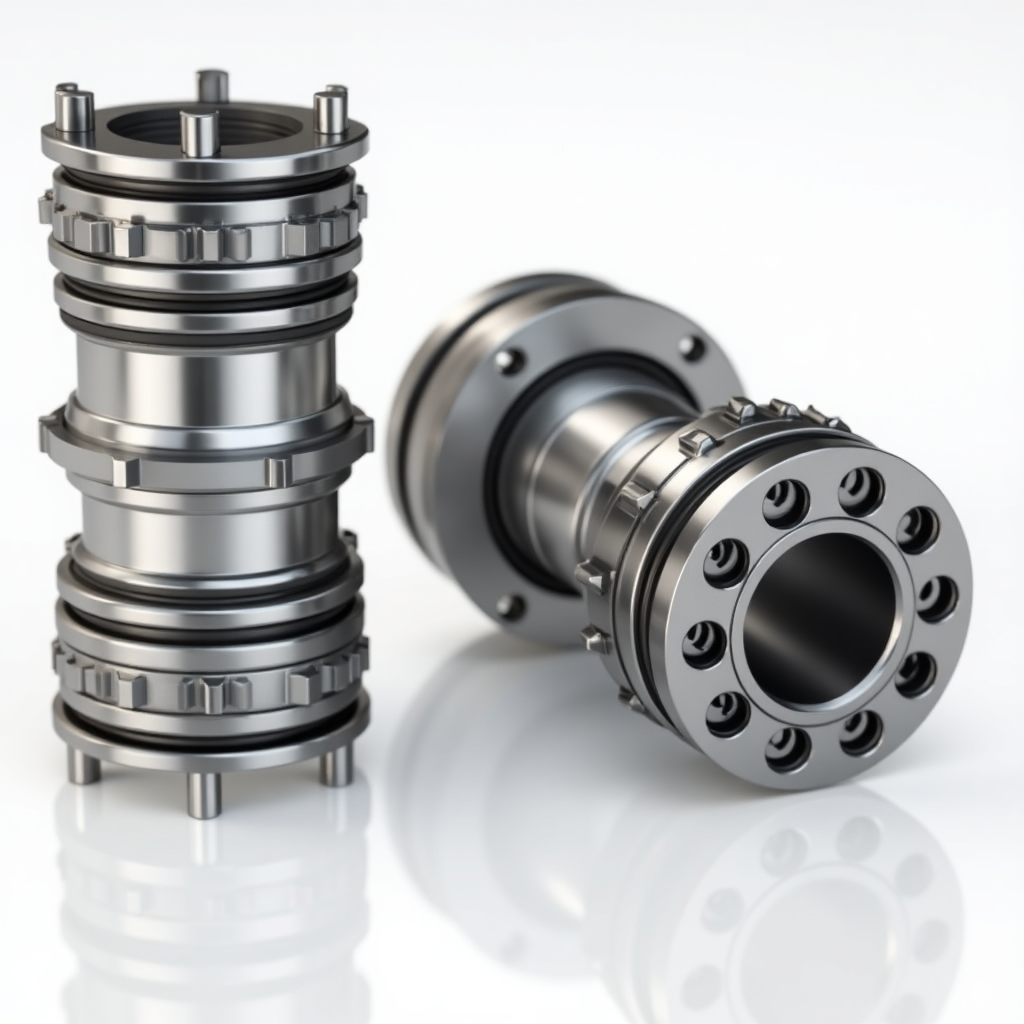
A gear coupling is a mechanical device used to connect two rotating shafts. It consists of two hubs with external gear teeth and a sleeve with internal gear teeth. These teeth mesh together to transmit torque from one shaft to another.
The design allows the coupling to handle high loads while accommodating angular, parallel, and axial misalignment. This makes gear couplings ideal for heavy machinery where performance and strength are critical.
Working Principle of Gear Coupling
The working of a gear coupling is based on the meshing of gear teeth. When the driving shaft rotates, torque is transferred through the gear teeth of the hub to the internal teeth of the sleeve, which then transmits power to the driven shaft.
The slight clearance between the teeth allows the coupling to adjust to misalignment while still maintaining efficient power transfer. Lubrication is typically used to reduce friction and wear, ensuring smooth operation and long service life.
Types of Gear Couplings
1. Full Gear Coupling
This type uses gear teeth on both the hub and sleeve and is suitable for high torque applications in heavy industries.
2. Half Gear Coupling
In this design, only one side has gear teeth while the other side may be rigid or flexible, depending on the application.
3. Vertical Gear Coupling
Specially designed for vertical shaft applications such as pumps and turbines.
Applications of Gear Couplings
Gear couplings are widely used in industries that require strong and reliable torque transmission:
Steel and rolling mills
Cement plants
Mining and quarry machinery
Power generation units
Pumps and compressors
Marine and heavy engineering equipment
Their ability to handle high torque makes them essential in critical industrial operations.
Advantages of Gear Couplings
1. High Torque Capacity
Gear couplings can transmit very high levels of torque, making them suitable for heavy-duty machinery.
2. Misalignment Compensation
They can handle angular and axial misalignment, reducing stress on connected equipment.
3. Durable Construction
Made from high-strength alloy steel, gear couplings offer excellent durability and long service life.
4. Efficient Power Transmission
The gear design ensures minimal power loss during transmission.
5. Reliable Performance
They provide stable and continuous operation even under harsh working conditions.
Role of Gear Coupling Manufacturers
A professional gear coupling manufacturer ensures precision machining, proper heat treatment, and accurate gear alignment. High-quality manufacturing is essential to prevent wear, reduce vibration, and ensure long-term performance under heavy loads.
Rathi Couplings – Trusted Industry Name
Rathi Couplings is a reputed manufacturer known for producing high-quality industrial coupling solutions, including gear couplings. The company focuses on precision engineering, durability, and reliable performance for demanding industrial applications. Rathi Couplings provides robust products designed to handle heavy loads and ensure smooth power transmission in various industries.
Conclusion
Gear couplings are essential components in heavy industrial machinery where high torque and reliability are required. Their strong design, ability to handle misalignment, and efficient power transmission make them a preferred choice in many industries. With trusted manufacturers like Rathi Couplings, industries can achieve improved efficiency, reduced downtime, and long-lasting performance.




Write a comment ...