
In any mechanical setup, couplings serve as the unsung heroes. They are devices that connect two rotating shafts, ensuring power is transmitted smoothly while compensating for misalignment, vibrations, and other mechanical stresses. Properly chosen couplings can significantly improve machine performance and reduce maintenance costs.
What Are Couplings?
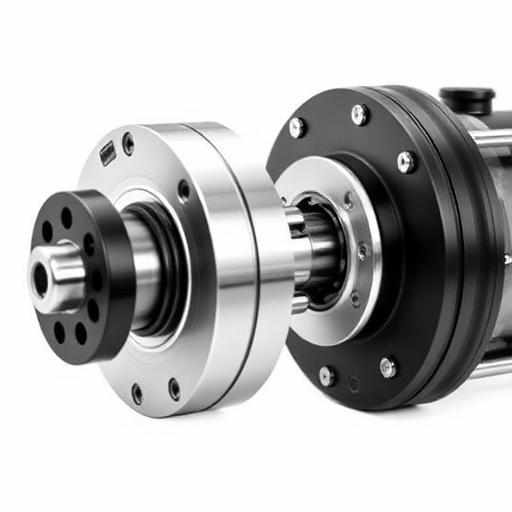
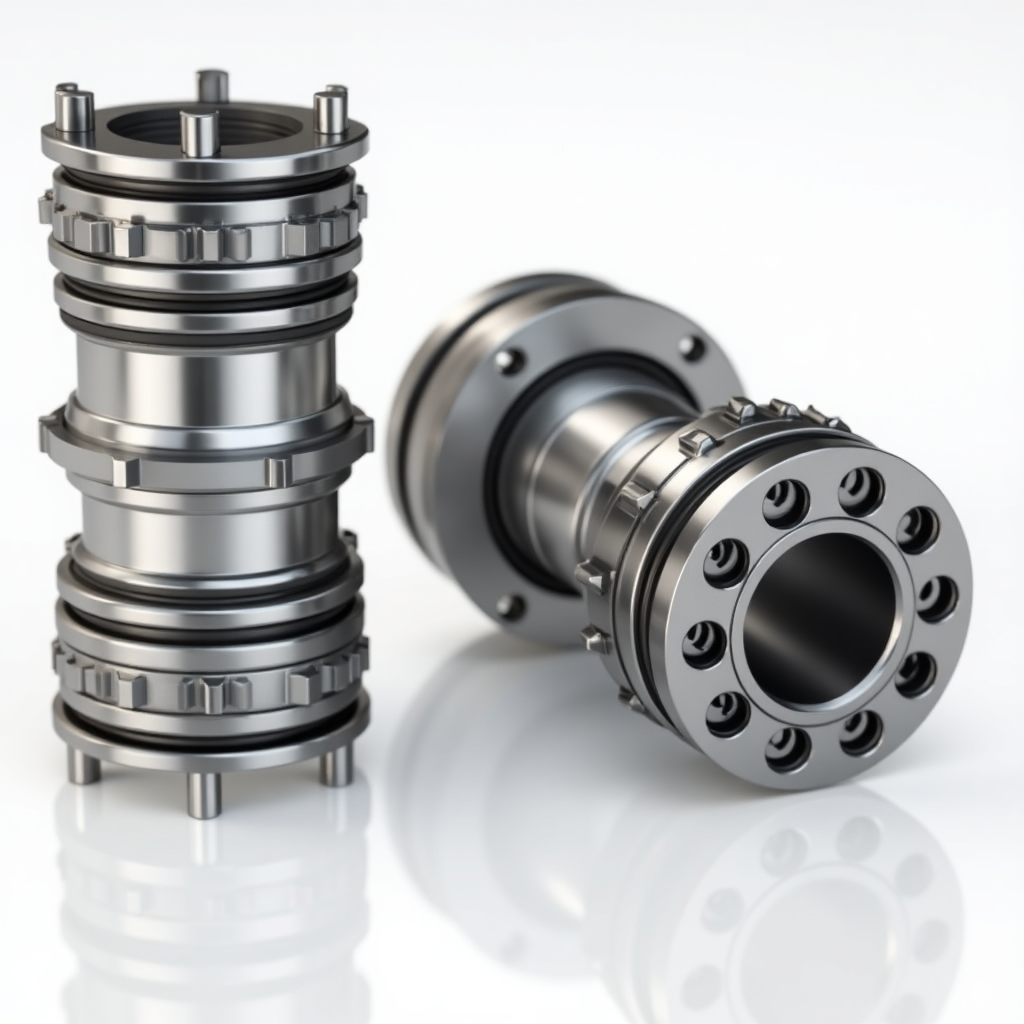
A coupling is a mechanical component that joins two shafts together to transmit torque from one shaft to another. While it may seem like a simple connector, a coupling’s design ensures flexibility, durability, and protection for the equipment it links. Without couplings, machines would experience more frequent breakdowns due to misalignment, vibration, and excessive wear.
Types of Couplings
Couplings come in several types, each designed to meet specific mechanical requirements:
Rigid Couplings
Rigid couplings form a solid link between two shafts. They are ideal for situations where precise alignment is possible. These couplings offer maximum torque transfer but cannot tolerate any shaft misalignment.Flexible Couplings
Flexible couplings are designed to absorb shocks, vibrations, and slight misalignments. They include:Jaw Couplings
Elastomeric Couplings
Beam Couplings
Fluid Couplings
Fluid couplings use hydraulic fluid to transmit torque. This mechanism allows smooth start-ups and minimizes mechanical stress, making them suitable for heavy machinery and vehicles.Disc Couplings
Disc couplings utilize flexible metal discs to transfer torque while accommodating small misalignments. They are often used in precision machinery where reliability and accuracy are essential.
Applications of Couplings
Couplings are integral to many industries and applications:
Industrial Machines: Conveyors, pumps, and compressors rely on couplings for consistent operation.
Automobiles: Drivetrains use couplings to reduce vibration and transfer torque effectively.
Robotics: Couplings ensure precise movement in robotic arms.
Power Plants: Turbines, generators, and motors depend on couplings for reliable energy transfer.
Benefits of Using Couplings
Choosing the right coupling offers several advantages:
Protects shafts and bearings from wear and tear
Reduces vibration and absorbs shocks
Compensates for misalignment and thermal expansion
Enhances efficiency and machine longevity
How to Select the Right Coupling
When selecting a coupling, consider the following:
Required torque and speed
Shaft alignment and spacing
Environmental conditions like temperature and moisture
Expected maintenance schedule and component lifespan
Conclusion
Couplings are small components with a big impact. They not only connect shafts but also protect machinery, improve efficiency, and reduce maintenance costs. Understanding the types, applications, and benefits of couplings is essential for anyone involved in mechanical design, engineering, or maintenance.




Write a comment ...