
In industrial machinery, the choice of couplings plays a critical role in ensuring smooth operation, longevity, and efficiency. Couplings connect rotating shafts, transmitting torque while accommodating varying levels of misalignment and vibration. Selecting the right type—rigid or flexible—can greatly affect machine performance, maintenance needs, and operational safety. Understanding the differences between these two categories helps engineers and plant managers make informed decisions tailored to their specific equipment and applications.
Understanding Rigid and Flexible Couplings
What Are Rigid Couplings?
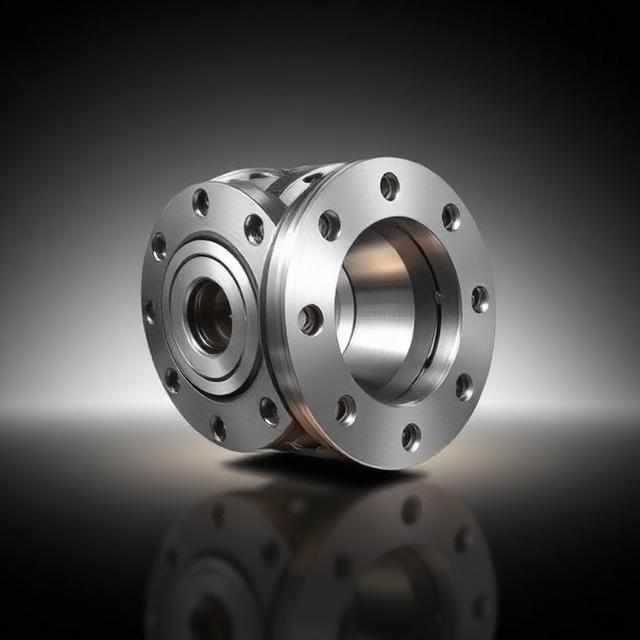
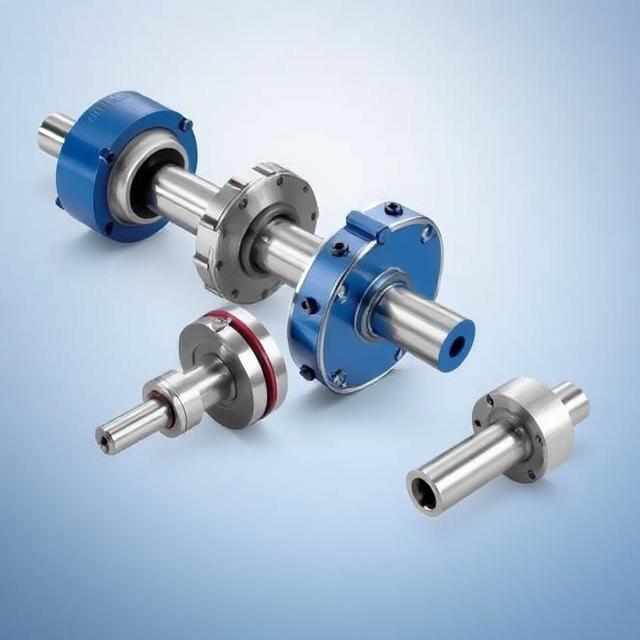
Rigid couplings provide a solid connection between two shafts, transmitting torque directly without accommodating misalignment. These couplings are typically made from steel, cast iron, or aluminum, offering high torsional rigidity and reliability in precise shaft alignment scenarios.
Applications of rigid couplings include:
Precision machinery with minimal shaft misalignment
Instrument drives
High-torque applications requiring exact angular alignment
Rigid couplings are ideal when accuracy and torque transmission take priority, but they require careful installation and alignment.
What Are Flexible Couplings?
Flexible couplings are designed to accommodate misalignment, absorb shock, and dampen vibration. Unlike rigid couplings, they provide some degree of elasticity, which protects mechanical components from stress caused by angular, parallel, or axial misalignment.
Applications of flexible couplings include:
Pumps and compressors
Conveyors and packaging machines
Robotics and automation
High-speed spindles and servo drives
Flexible couplings enhance machine longevity, reduce noise, and improve operational efficiency in dynamic environments.
Key Differences Between Rigid and Flexible Couplings
When comparing rigid and flexible couplings, several key differences stand out. Misalignment tolerance is one of the most important factors: rigid couplings allow little to no misalignment, while flexible couplings can accommodate angular, axial, and parallel misalignment, making them more versatile in dynamic systems.
In terms of vibration dampening, rigid couplings provide none, transferring all vibrations directly between connected shafts. Flexible couplings, on the other hand, absorb vibrations effectively, protecting machinery and improving operational stability.
Installation sensitivity is another distinction. Rigid couplings require precise shaft alignment during installation, making them highly sensitive to setup errors. Flexible couplings are more forgiving, allowing moderate misalignment without affecting performance.
Regarding maintenance needs, rigid couplings are low-maintenance if alignment is perfect, whereas flexible couplings may require occasional checks, though they generally offer low to moderate maintenance requirements.
When it comes to shock absorption, rigid couplings do not absorb shocks, while flexible couplings provide good protection against sudden loads, reducing stress on connected components.
Finally, the applications differ based on these characteristics. Rigid couplings are ideal for precision machinery and high-torque drives, where exact alignment is achievable. Flexible couplings are better suited for general machinery, conveyors, pumps, and robotics, where vibration damping and misalignment compensation are crucial.
Advantages of Rigid Couplings
Precise Torque Transmission
Rigid couplings provide a solid, uninterrupted connection, ensuring accurate torque transfer. This makes them suitable for applications where exact synchronization between shafts is essential.
High Durability
Made from robust materials, rigid couplings withstand high loads and resist wear, provided the shafts are correctly aligned. They are particularly useful in high-torque, low-speed machinery.
Low Maintenance
Once properly installed and aligned, rigid couplings require minimal maintenance, making them reliable for long-term operations.
Advantages of Flexible Couplings
Vibration and Shock Absorption
Flexible couplings reduce vibration and absorb shock loads, protecting motors, shafts, and bearings from premature wear.
Misalignment Compensation
Even minor misalignments can cause stress on machine components. Flexible couplings accommodate angular, parallel, and axial misalignment, ensuring smoother operation and preventing damage.
Operational Efficiency and Longevity
By reducing mechanical stress and vibration, flexible couplings enhance machine efficiency, decrease maintenance frequency, and prolong the lifespan of critical components.
Types of Flexible Couplings
Jaw Couplings
Jaw couplings use an elastomeric insert between two metal hubs, providing vibration dampening and misalignment compensation. They are widely used in pumps, compressors, and conveyors.
Disc Couplings
Disc couplings consist of thin metal discs that transmit torque while allowing angular and axial misalignment. They are torsionally stiff and ideal for high-speed precision applications such as robotics and CNC machinery.
Bellows Couplings
Bellows couplings feature a flexible metallic bellows that connects the shafts. They are lightweight, backlash-free, and accommodate misalignment, making them suitable for servo motors and automation equipment.
Oldham Couplings
Oldham couplings absorb parallel misalignment efficiently, using a sliding central disc to maintain accurate torque transfer. They are compact and suitable for light to medium torque applications.
Factors to Consider When Choosing Between Rigid and Flexible Couplings
Shaft Alignment
If your shafts are precisely aligned and misalignment is negligible, a rigid coupling may be ideal. For systems where misalignment occurs due to structural shifts, thermal expansion, or foundation settling, flexible couplings are preferable.
Load and Torque Requirements
High-torque applications often benefit from rigid couplings, as they provide solid, uninterrupted torque transfer. Flexible couplings, while capable of handling moderate torque, are more suitable for dynamic loads with vibrations and misalignments.
Speed and Operational Conditions
High-speed rotating equipment may require flexible couplings to reduce vibration and noise. In contrast, low-speed precision drives can utilize rigid couplings to maintain accuracy.
Maintenance and Longevity
Flexible couplings reduce wear on machine components and require less frequent maintenance in systems prone to misalignment. Rigid couplings are low-maintenance but sensitive to misalignment, which can accelerate wear if installation is imperfect.
Applications of Rigid and Flexible Couplings
Rigid Couplings: CNC machinery, precision instrumentation, heavy-duty high-torque drives, motor-generator connections.
Flexible Couplings: Pumps, compressors, conveyors, robotics, packaging machinery, automation systems, high-speed spindles.
Making the Right Choice
Choosing between rigid and flexible couplings depends on a careful assessment of:
Shaft alignment accuracy
Load and torque requirements
Operating speed
Environmental conditions
Maintenance capabilities
In many modern industrial setups, a combination of both types may be used—rigid couplings for precision drives and flexible couplings for machines experiencing vibration, shock, or misalignment.
Conclusion
Selecting the right type of couplings—rigid or flexible—is crucial for optimizing machinery performance, reducing maintenance, and extending equipment lifespan. Rigid couplings excel in high-torque, low-misalignment applications, while flexible couplings provide vibration damping, misalignment compensation, and smoother operation in dynamic environments. By understanding the specific needs of your machinery and operational conditions, you can ensure reliable, efficient, and long-lasting performance. For high-quality solutions tailored to both rigid and flexible coupling requirements, rathi couplings offers dependable products designed to meet industrial standards and enhance machinery efficiency.




Write a comment ...